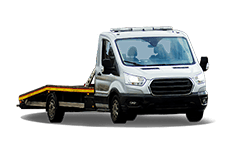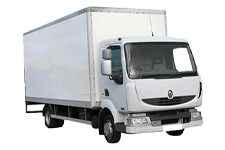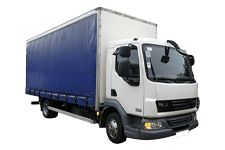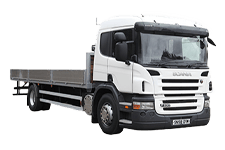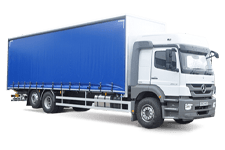
Flatbed Hire Enfield
Call +44 20 8154 5320

Enfield flatbed and dropside hire

Flatbed and dropside hire in Enfield, planned from the kerb back

Plan the receiving space in Enfield before choosing a flatbed or dropside. This guide helps private customers, trades and businesses match deck length and payload to the load, check licence entitlement, restrain goods on an open bed and unload safely, with local permission checks to finish before collection day.

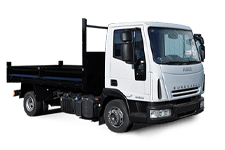
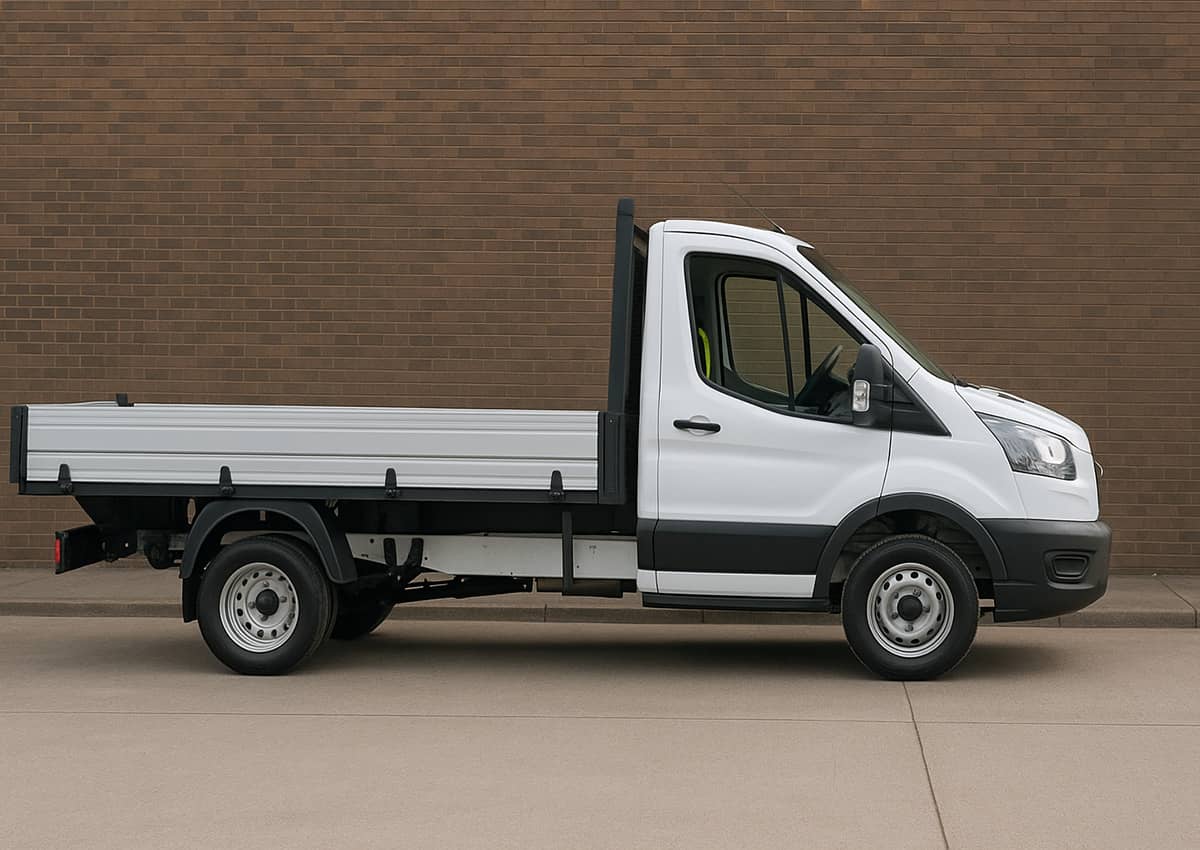
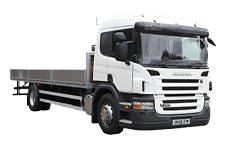
Representative flatbed truck; allocated vehicle must be confirmed

Speak to the flatbed booking team

+44 20 8154 5320

Choose from the load, not the badge

Flatbed and dropside options for Enfield

These are representative vehicle categories. Weight class is not cargo payload: the allocated vehicle’s actual payload, bed dimensions, equipment, driver requirements and availability must all be confirmed before booking.

3 metre dropside van hire category

Flatbed and dropside category

3 metre dropside van

A compact open-bed category with folding sides for trade loads and sites where a larger lorry would be awkward.

  • timber, fencing and boards
  • bagged or palletised materials
  • tools and smaller machinery
Cargo payload
1100 kg (representative)
Bed length
3 m (representative)

The published 1,100 kg figure is representative only. Confirm the allocated vehicle's payload, bed width and load restraint.

Enquire about this vehicle
4 metre dropside van hire category

Flatbed and dropside category

4 metre dropside van

A longer open-bed category for loads that need more deck length or side access than the shorter dropside.

  • long timber and pipe
  • palletised site supplies
  • event and landscaping materials
Bed length
4 m (representative)
Bed width
2 m (representative)

Published dimensions are representative. Confirm actual payload, body dimensions and overhang rules before booking.

Enquire about this vehicle
Dropside with tail lift hire category

Flatbed and dropside category

Dropside with tail lift

An open-bed option to discuss when a suitable tail lift may help with palletised or wheeled goods.

  • palletised loads
  • wheeled equipment
  • destinations without a loading dock
Bed length
4 m (representative)
Bed width
2 m (representative)

Tail-lift capacity is not vehicle payload. Confirm both figures, platform size, pallet-truck use and unloading surface.

Enquire about this vehicle
7.5 tonne dropside lorry hire category

Flatbed and dropside category

7.5 tonne dropside lorry

A larger dropside category for longer, heavier or multi-pallet loads when the route, driver and unloading plan suit a lorry.

  • scaffolding and pipe
  • multiple pallets
  • larger machinery and site supplies
Gross weight class
7.5 tonnes gross vehicle weight
Bed length
6 m (representative)
Bed width
2.35 m (representative)

C1 entitlement and possible commercial-use requirements apply. Confirm actual payload, bed dimensions and operating conditions.

Enquire about this vehicle
Phone-led matching
Discuss the load, route, access, driver and dates before a category is proposed.
Booking confirmation
Availability and final terms are confirmed during the booking process.
Address-level checks
Delivery and collection depend on the exact postcode, access and safe standing space.
Terms kept visible
Mileage, insurance, deposits and permitted use vary and must be checked for the hire.

Planning flatbed hire in Enfield

Hiring a flatbed or dropside in Enfield usually goes wrong at the kerb, not on the road. A load of timber, fencing panels or pallets is only useful if the vehicle can stand close enough to the receiving point and be unloaded without risk. This page is written for householders, tradespeople and businesses who want to settle that part first, then choose a vehicle to fit it.

The guidance below covers the open-bed categories you can ask a supplier about, how to tell overall vehicle size from usable deck, why gross weight and payload are different numbers, and which licence each weight class generally needs. It also explains how to restrain goods on a dropside, how to unload from the side or a tail lift, and which council processes deserve a check before collection day.

Settle the receiving space before choosing a vehicle

Enfield Council asks anyone applying for a parking suspension to provide a plan of the location and to apply at least ten working days ahead. That timetable should shape your booking, not follow it. If you reserve a lorry for Friday and discover on Tuesday that the only workable standing is a suspended bay, the notice period has already gone.

So measure first. Record the full parked length of the vehicle you are considering, then add the room needed to drop a side, lower a tail lift or wheel a pallet truck clear. Mark driveways, trees, bollards and overhead cables on your sketch. A plan showing the whole working footprint is more useful to the council and to you than one showing only the cab and bed.

Sources: Enfield Council: suspension and dispensation

Why an application is not a reserved bay

The council also states that a temporary dispensation does not guarantee you a parking spot. Other vehicles may still be there, and sending a request is not the same as receiving permission. Treat any approval as one part of your arrangements, and read the signs at the destination on the day rather than assuming paperwork has cleared the street.

Build a fallback before you collect. Ask the receiver whether there is private hardstanding, a yard or a driveway able to take the loaded weight, and agree who will guide the driver in. If no lawful standing is free when you arrive, it is safer to wait, come back later or rebook than to unload from a live traffic lane.

Sources: Enfield Council: suspension and dispensation, HSE: safe loading and unloading

Check which traffic order applies on the final approach

Enfield publishes temporary, permanent and experimental traffic management orders. Orders of this kind can change what a driver may do on a given street, including where waiting or loading is allowed. A temporary order may be tied to works and lapse later, while an experimental one can be reviewed and altered after it starts.

Look for the document in force for your exact approach and unloading point, not a consultation page or a proposal map. A proposal is not a live rule, and an older notice may have been replaced. Compare the order with the signs and markings you see on arrival, and if the two seem to disagree, ask the council before relying on either.

Sources: Enfield Council: traffic orders

Matching the dropside category to the load

Suppliers commonly list dropsides by bed length: a 3 metre van, a 4 metre van, a dropside fitted with a tail lift, and a 7.5 tonne lorry with a deck of roughly 6 metres. These are representative categories. The vehicle you are allocated may differ, so ask for internal bed length and width, side height and overall parked length.

Footprint and usable deck are separate measurements. The cab, headboard and any lift mechanism take space without adding load area. The 3 metre van suits boards, fencing and bagged materials where access is tight, the 4 metre helps when lengths or pallets need more deck, and the lorry makes sense only when the route and the receiving space can both take it.

Sources: Nationwide Hire UK: 3 metre dropside, Nationwide Hire UK: 4 metre dropside, Nationwide Hire UK: dropside with tail lift, Nationwide Hire UK: 7.5 tonne dropside

Gross weight, payload and the licence you hold

Gross vehicle weight, also called maximum authorised mass, is the most the vehicle may weigh when loaded, and it is normally shown on the plate or sticker. Payload is what remains once the vehicle, fuel, driver and passengers are counted, and pallets and packaging use part of it. A 3.5 tonne dropside carries far less than 3.5 tonnes of cargo.

Licence entitlement follows the plated gross weight, not the cargo. A category B licence generally covers vehicles up to 3.5 tonnes maximum authorised mass, while C1 is generally needed above that and up to 7.5 tonnes. Check the categories on each driver's current licence and expect supplier age or experience conditions. On heavy jobs, consider axle weights as well as the total, and rebalance after part-drops.

Sources: GOV.UK: vehicle weights explained, GOV.UK: driving licence categories, DVSA: HGV overloading basics

Restraining goods on an open deck

Folding sides are not a restraint system. Official guidance says a load must be secured with a system chosen for that load and that vehicle, and it cannot rely on its own weight or on friction alone. Before loading, look over the platform, body, sides and anchorage points, and report anything damaged or missing.

Use rated anchor points rather than rope or sheeting hooks, which are not made for load restraint. Straps, chains, chocks, friction matting and a headboard each have a role depending on the goods, so ask which items come with the hire instead of assuming. If timber or pipe will project beyond the body, measure it and check the current overhanging load guidance for marking and notice rules.

Sources: DVSA: securing loads on HGVs and goods vehicles, DVSA: load securing basics, DVSA: ways to secure a load, DVSA and DfT: overhanging loads on vehicles

Side loading and unloading at the destination

A dropside's main benefit is access from three sides, which suits forklifts, telehandlers and hand unloading of long lengths. The condition is room: each lowered side needs clear, level ground and somewhere for the person unloading to stand away from traffic. Stand the vehicle as stably as possible and agree the method with the receiver before you set off.

Before releasing anything, check whether goods have shifted in transit and could fall when a side drops. Undo restraints from a safe position, keep people out of the fall zone, and unload in an order that keeps the remaining weight balanced. With a tail lift, its rated capacity is separate from vehicle payload, so confirm platform size and whether a pallet truck may be used on it.

Sources: HSE: safe loading and unloading, Nationwide Hire UK: dropside with tail lift, DVSA: securing loads on HGVs and goods vehicles

Benefits of open-bed hire and the conditions attached

Open-bed hire lets a private customer move one awkward load, lets a trade take materials straight to site, and lets a business avoid waiting for a delivery slot. Each benefit carries conditions. Terms on deposits, mileage, insurance, driver age, permitted use and equipment vary between suppliers, and one company's published terms do not govern a hire with another.

Ask for the terms that will apply to your booking and read them before collection. Confirm who is responsible for fines, damage to the deck or sides, and lost restraint equipment. For commercial or repeated use of a 7.5 tonne lorry, ask whether further requirements apply to your work, and never assume low-emission zone compliance for a particular vehicle without checking it.

Sources: Third-party reference: Nationwide Hire UK terms and conditions, Nationwide Hire UK: 7.5 tonne dropside
Full truck range

Other vehicles to ask about

If an open-bed flatbed is not the right body type, the booking team can discuss these adjacent commercial categories. Every card is an enquiry category rather than a promise that a particular model is locally stocked.

3.5 tonne Luton box with tail lift hire category

Other vehicle category

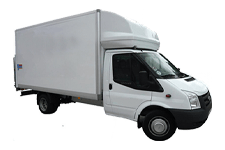
3.5 tonne Luton box with tail lift

Enclosed box-body category for bulky removals and deliveries where weather protection and assisted loading matter.

Confirm internal dimensions, payload and tail-lift capacity for the allocated vehicle.

Enquire about this vehicle
3.5 tonne tipper Transit hire category

Other vehicle category

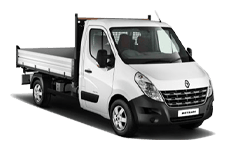
3.5 tonne tipper Transit

Compact tipping-body category for suitable loose materials and site work.

Waste carriage, destination acceptance, payload and tipping conditions must be confirmed.

Enquire about this vehicle
3.5 tonne recovery truck hire category

Other vehicle category

3.5 tonne recovery truck

Vehicle-transport category with a recovery bed and winch, subject to the carried vehicle's measured weight.

Confirm recovery use, bed rating, carried vehicle weight, licence and insurance before booking.

Enquire about this vehicle
7.5 tonne box truck with tail lift hire category

Other vehicle category

7.5 tonne box truck with tail lift

Larger enclosed-body category for commercial deliveries and removals with assisted loading.

Confirm C1 entitlement, payload, internal body dimensions and tail-lift capacity.

Enquire about this vehicle
7.5 tonne curtainside truck hire category

Other vehicle category

7.5 tonne curtainside truck

Curtainside body for side access to palletised goods while retaining weather protection.

Confirm C1 entitlement, payload, curtain/body dimensions and load restraint.

Enquire about this vehicle
7.5 tonne dropside truck hire category

Other vehicle category

7.5 tonne dropside truck

Open-sided lorry category for bulky building materials, timber and machinery.

Confirm C1 entitlement, actual payload, bed dimensions, route and unloading method.

Enquire about this vehicle
7.5 tonne tipper truck hire category

Other vehicle category

7.5 tonne tipper truck

Larger tipping-body category for appropriate aggregates, soil and site materials.

Confirm C1 entitlement, operator position, payload, waste rules and tipping-site conditions.

Enquire about this vehicle
7.5 tonne sleeper tail-lift truck hire category

Other vehicle category

7.5 tonne sleeper tail-lift truck

Longer-distance box or delivery category combining a sleeper cab and tail lift.

Confirm body type, sleeper provision, payload, tail-lift capacity and driver requirements.

Enquire about this vehicle
18 tonne box truck hire category

Other vehicle category

18 tonne box truck

Heavy enclosed-body category for larger commercial transport and distribution requirements.

Specialist heavy-vehicle licensing, operator, insurance and availability checks apply.

Enquire about this vehicle
18 tonne curtainside truck hire category

Other vehicle category

18 tonne curtainside truck

Heavy curtainside category for larger palletised or industrial loads needing side access.

Confirm payload, body dimensions, route restrictions and commercial operating requirements.

Enquire about this vehicle
26 tonne curtainside truck hire category

Other vehicle category

26 tonne curtainside truck

High-capacity rigid curtainside category for substantial commercial loads.

This is a specialist heavy-vehicle enquiry; confirm all operator, driver, route and payload conditions.

Enquire about this vehicle
44 tonne articulated truck hire category

Other vehicle category

44 tonne articulated truck

Articulated heavy-goods category for specialist large-scale freight and long-distance commercial work.

Specialist operator, driver, site-access, route, insurance and load-planning requirements apply.

Enquire about this vehicle

Quote checklist

Have the whole job ready

A useful quote begins with the measured load and both ends of the journey.

Flatbed hire questions for Enfield

What should I do if there is no lawful space when I arrive at an Enfield address?

Do not unload from a traffic lane or across restrictions. Use the fallback standing you agreed with the receiver, wait for space, or rebook. A council dispensation does not promise a space, so have that fallback ready before collection.

Can I rely on a proposal map for my route into an Enfield street?

No. A proposed measure is not a live rule. Find the temporary, permanent or experimental order that currently applies to your approach, then compare it with the signs you see on arrival.

Can I drive a 7.5 tonne dropside to an Enfield site on a car licence?

Generally not. A category B licence usually covers vehicles up to 3.5 tonnes maximum authorised mass, and C1 is generally needed above that up to 7.5 tonnes. Check the categories on your own licence and any supplier age or experience conditions.

Is the published payload for a 3 metre dropside what I can carry to my Enfield job?

Treat it as a guide only. Payload depends on the allocated vehicle, its plated gross weight and what the driver, passengers, pallets and packaging use up. Confirm the figure for the actual vehicle before loading.

Do I need a tail lift for pallets going to an Enfield house with no loading dock?

It can help, but confirm the lift's rated capacity, platform size and pallet-truck use separately from vehicle payload. The ground where the lift lands must be level and clear, and the receiver should agree the unloading method in advance.

Local sources and supporting guidance

Check current rules and the destination signs before travelling. Category specifications are examples, not allocated-vehicle guarantees.